Tim Stead (1952–2000)
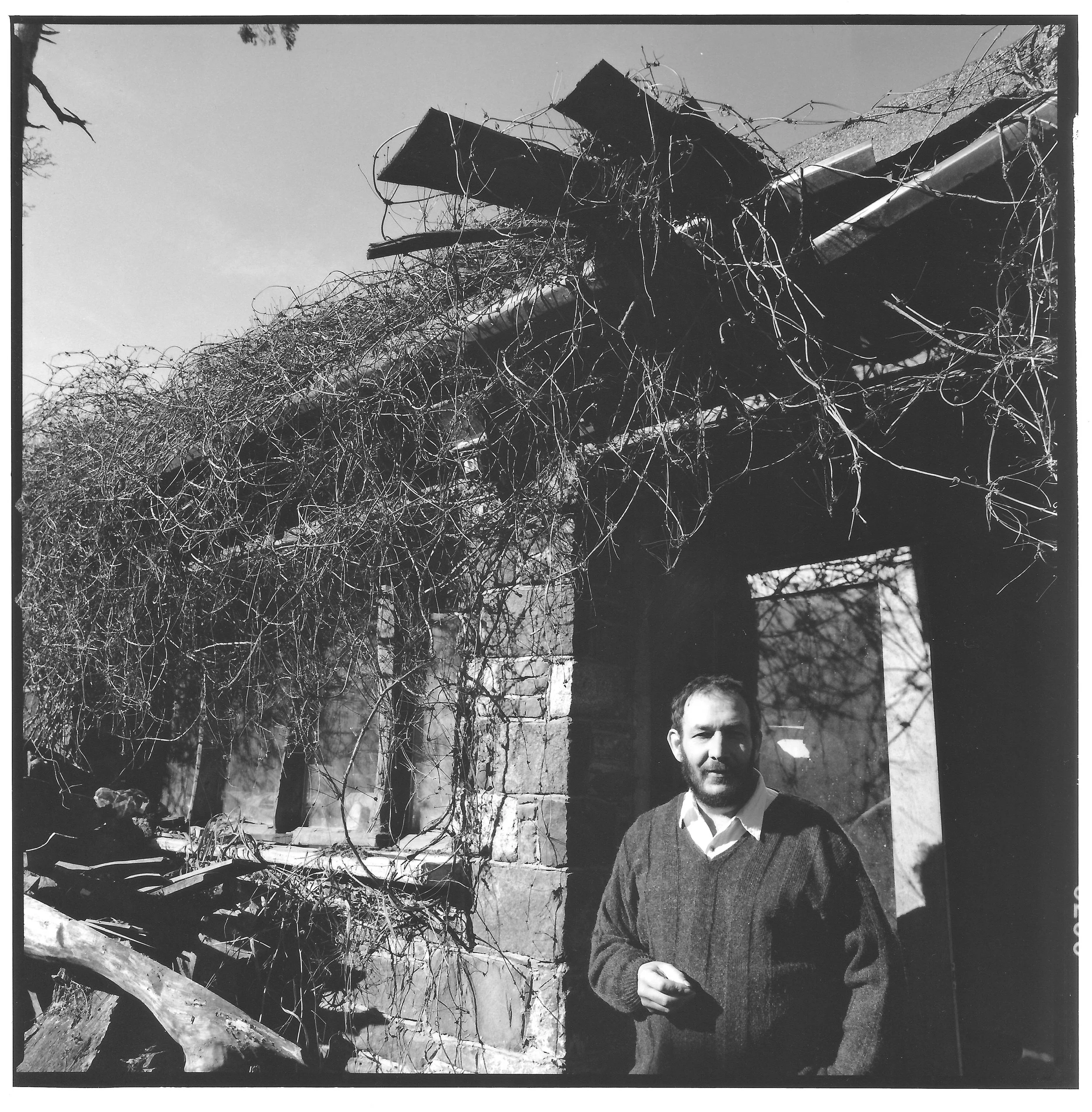
Tim Stead was one of Scotland’s most original and influential makers of the late twentieth century. A sculptor, furniture maker, writer and environmental thinker, his work reshaped how craft, ecology and daily life might coexist.
Tim did not see furniture as secondary to sculpture, nor making it separate from thinking. His practice was rooted in the belief that objects carry meaning through use, touch and time, and that making was a way of understanding the world as much as shaping it.

BIOGRAPHY
Making, Thinking, Living
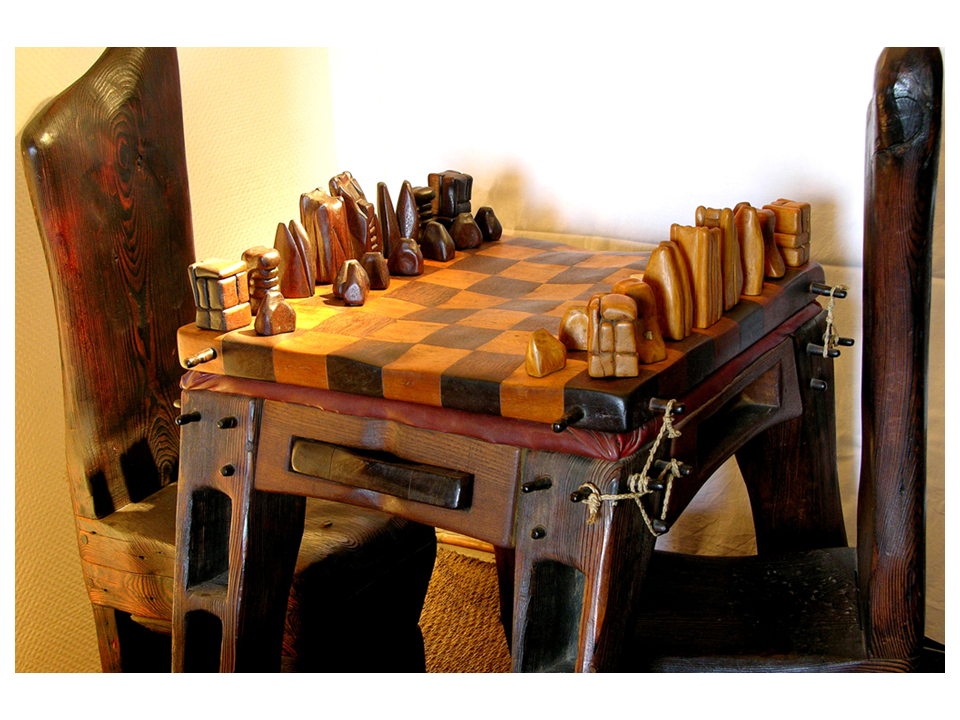
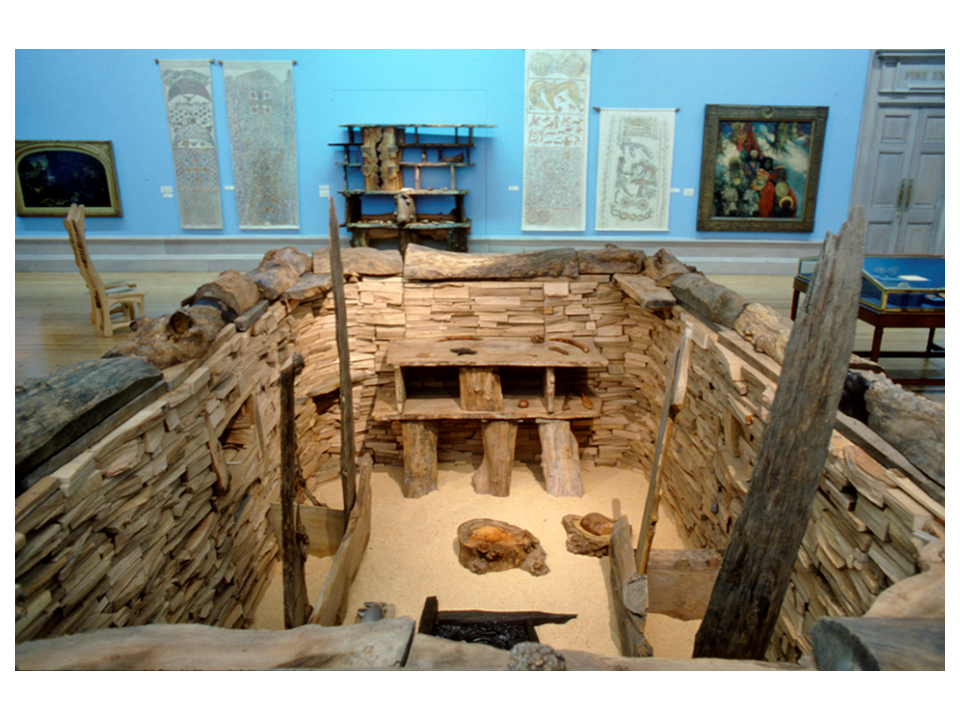
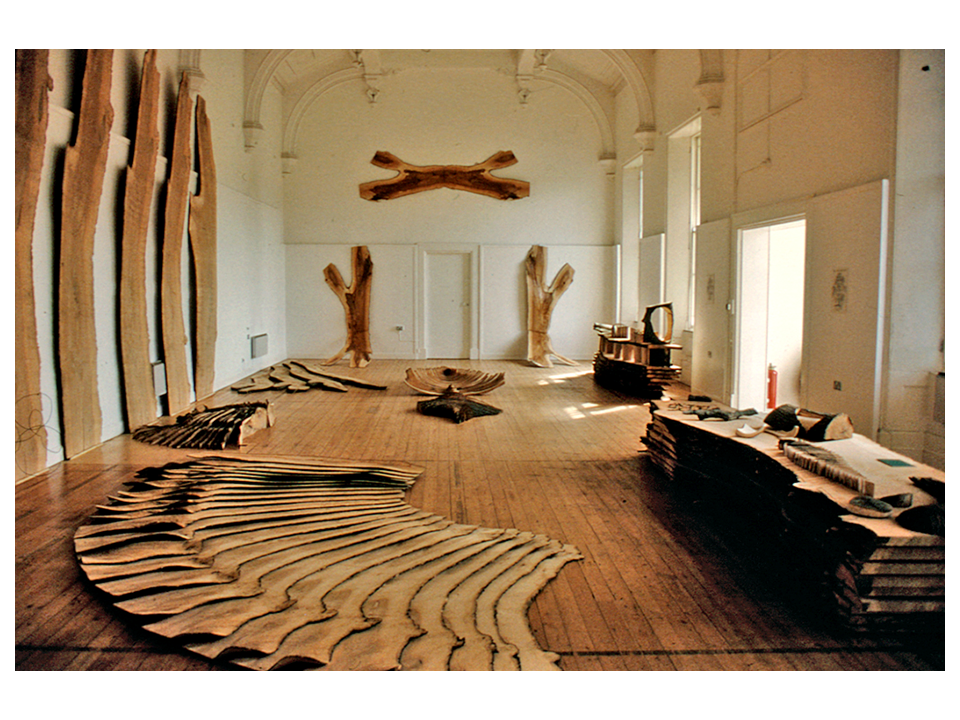
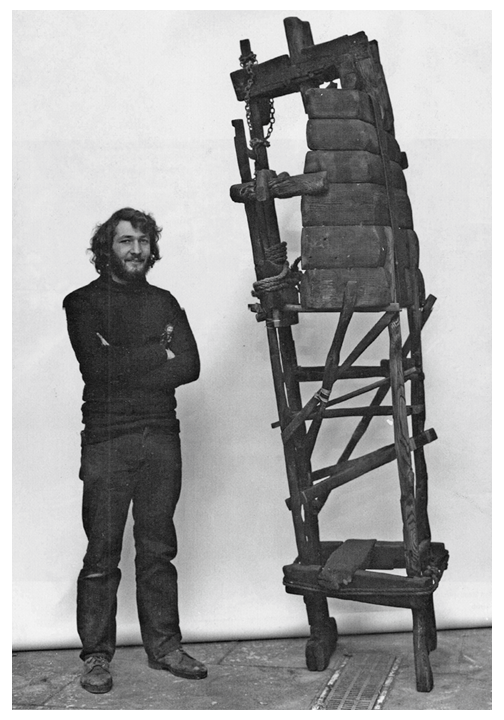
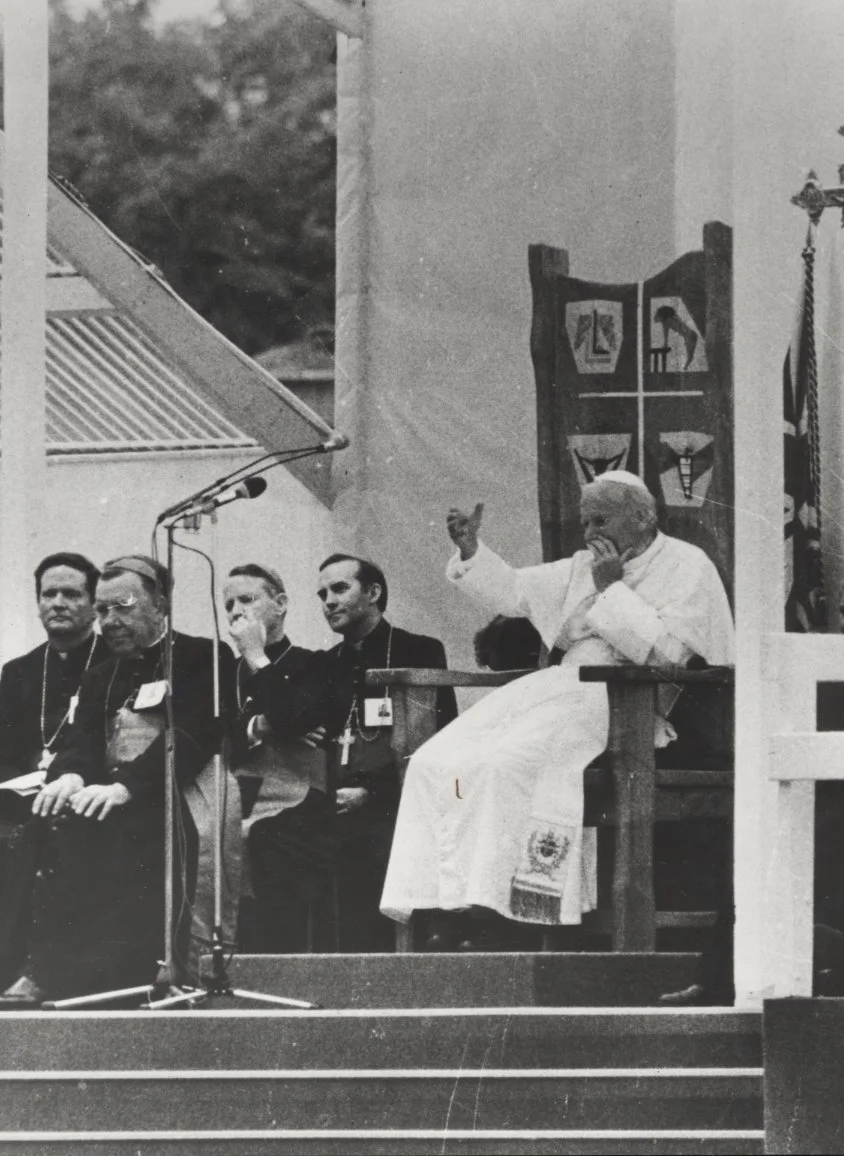
Tim Stead trained as a sculptor, but quickly moved beyond conventional categories. He made chairs, tables, clocks, interiors and public commissions that refused to sit neatly within art or design. His furniture is often robust, generous and playful, shaped by the grain and character of the wood rather than imposed form.

Wooplaw
Tim Stead was an early environmental activist, long before sustainability became institutional language. He believed strongly in working with native timbers, valuing overlooked species, and understanding trees as living systems rather than raw material.
He was instrumental in establishing Wooplaw Community Woodland, widely recognised as the first community woodland in Britain.
WOOD, ECOLOGY AND RESPONSIBILITY
A love of words
Language mattered deeply to Tim. He wrote extensively in notebooks, letters, poems, essays using words as another way to test ideas. These writings, now held within the Trust’s archive, reveal a restless, questioning mind, concerned with time, responsibility, land use, politics and the ethics of making.
A tour of Tim Stead across the country
-
![]()
The Millennium Clock Tower: Tim Stead’s last major work
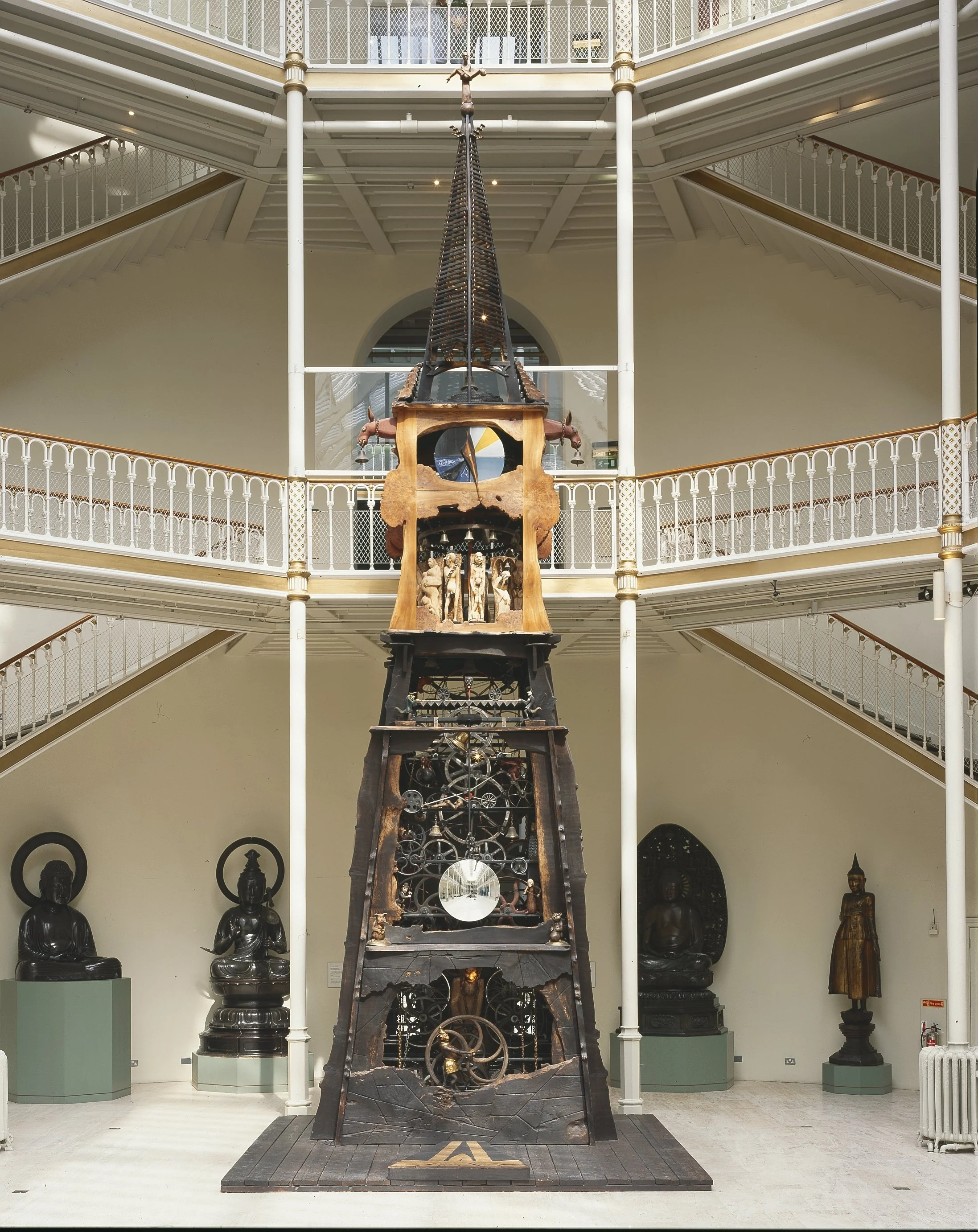
While The Steading is the heart of the Trust, Tim Stead’s work is woven throughout Scotland’s cultural landscape.
His furniture and commissions are encountered in public buildings, civic interiors and cultural institutions, where craft is lived with rather than isolated behind glass. These include social and civic spaces across the United Kingdom, national collections, and architectural contexts where his work contributes quietly but powerfully to everyday experience.
The Steading
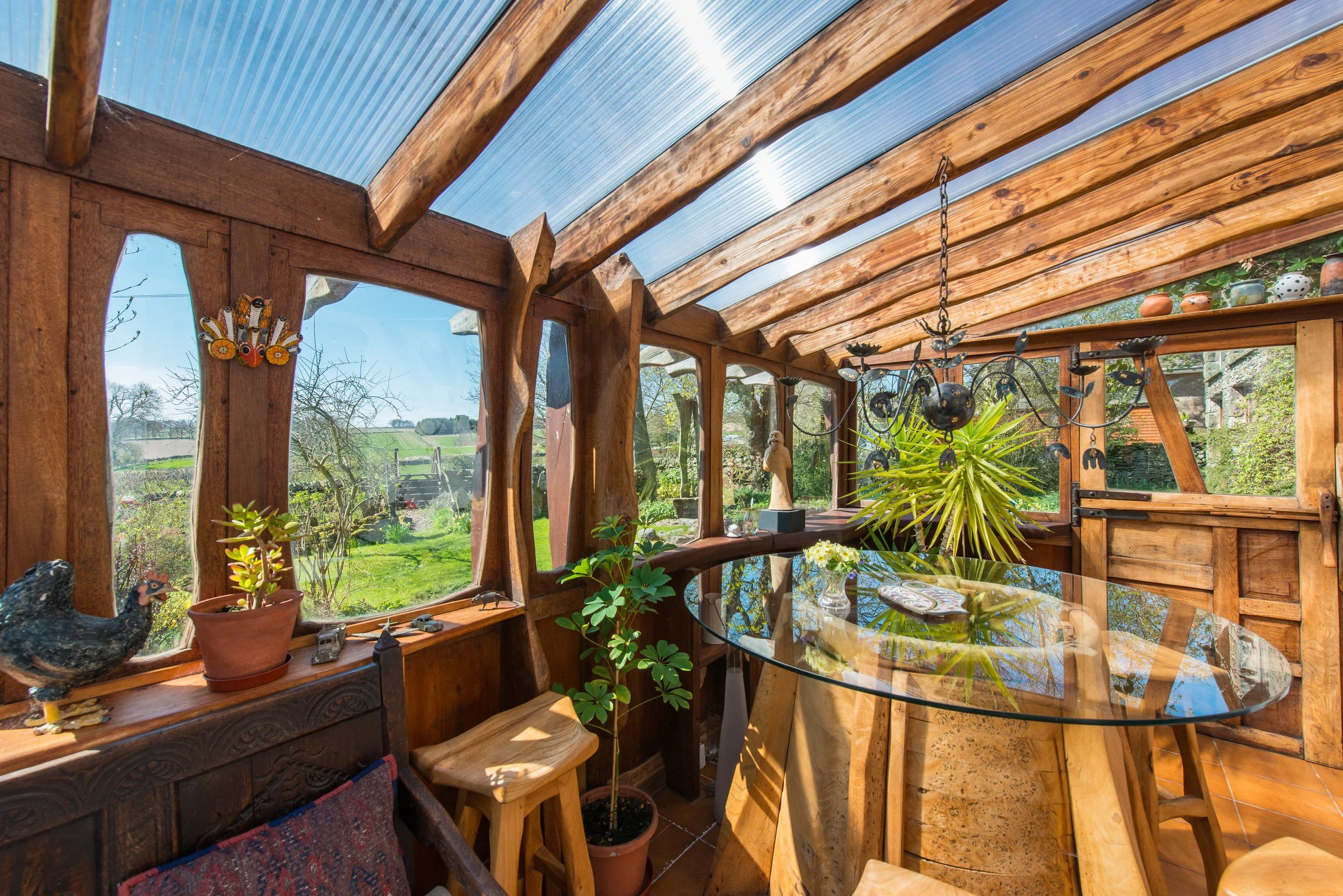
The Steading, in Blainslie in the Scottish Borders, is widely regarded as Tim Stead’s greatest work.
Created from agricultural buildings over several decades, it is a complete, immersive environment, part home, part sculpture, part manifesto. Floors, doors, windows, furniture and fittings were all designed and made by Tim, often in dialogue with the existing structure and surrounding landscape.
The Steading was never intended as a showpiece. It was a place to live, work, host, argue, eat and think. Its power lies in this integration: the collapse of boundaries between architecture, furniture, sculpture and daily life.
Today, it is a Category A listed building of national significance.